
Sexual Offence Charges Calgary
A sexual offence allegation carries consequences long before any verdict is reached. Our Calgary criminal defence lawyers provide immediate, strictly confidential representation and build the most rigorous defence the law allows.
This page was written by the criminal defence lawyers at Hoare Claxton based on their experience appearing in Calgary courts. It is reviewed periodically for accuracy.
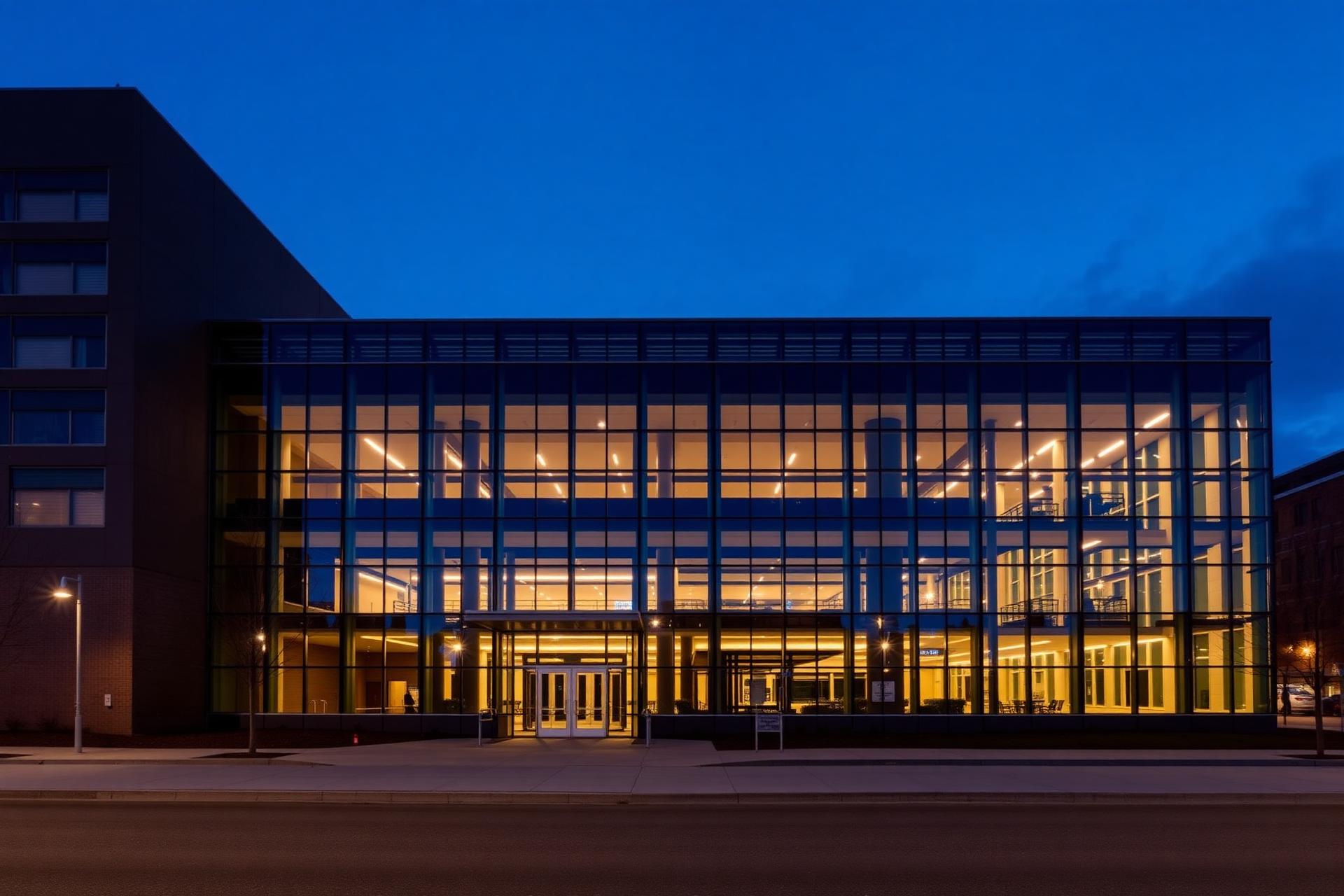
Our office is steps from the Calgary Courts Centre, where the majority of our criminal cases are heard.
A sexual offence allegation does not wait for a verdict to damage your life. The moment a charge is laid, the consequences begin. Careers end. Families fracture. Reputations are destroyed in social and professional circles before a single piece of evidence has been tested in court.
Our office represents clients who maintain their innocence and clients who need the most skilled possible advocacy regardless of the circumstances. We do not judge the people who call us. We represent them. And we bring the same rigour to every sexual offence file because the consequences of inadequate representation in this category of case are too permanent to accept.
Everything you tell us is strictly confidential from the first call. Call (587) 355-8889. Available 24 hours a day.
The Sexual Offences We Defend
The Criminal Code treats sexual offences as a distinct and serious category. The most common charges we defend include:
Sexual Assault (Section 271)
The broadest sexual offence provision. Sexual assault is any assault that is sexual in nature, determined by examining the part of the body touched, the nature of the contact, the situation in which it occurred, and whether the conduct was accompanied by words or gestures. Central to every sexual assault prosecution are two questions: was there sexual activity, and if so, was it consensual? The law requires that consent be voluntary, informed, and given by a person with the capacity to consent. Consent cannot be assumed from silence, prior sexual activity, or an ongoing relationship. Maximum sentence on indictment is ten years. Where the complainant is under 16, the maximum is 14 years with mandatory minimum sentences applying.
Sexual Assault Causing Bodily Harm and Aggravated Sexual Assault (Sections 272 and 273)
Where the sexual assault caused bodily harm or where the complainant was wounded, maimed, disfigured, or had their life endangered. Aggravated sexual assault carries a maximum of life imprisonment and mandatory minimum sentences. These are the most seriously prosecuted sexual offence charges in the Criminal Code.
Sexual Interference and Invitation to Sexual Touching (Sections 151 and 152)
Offences involving sexual contact with or by a person under 16 years of age. These charges carry mandatory minimum sentences and a maximum of 14 years on indictment. They are prosecuted aggressively and the pre-trial applications required to defend them are among the most complex in criminal law.
Sexual Exploitation (Section 153)
Applies to sexual contact between a person in a position of trust or authority and a young person between 16 and 18 years of age. Teachers, coaches, employers, and others in authority relationships are the most common accused in these matters.
Luring (Section 172.1)
Using electronic communication to communicate with a person under 18 for the purpose of facilitating a sexual offence. These charges frequently arise from undercover police operations and the digital evidence in these matters is extensive. Maximum sentence is 14 years.
Voyeurism (Section 162)
Surreptitiously observing or recording a person in circumstances that give rise to a reasonable expectation of privacy for a sexual purpose. Maximum sentence is five years.
Sexual Exploitation of a Person with a Disability (Section 153.1)
Sexual contact with a person whose disability is being exploited by the accused. These charges require careful analysis of the complainant's capacity and the accused's knowledge of that capacity.
The Two Central Questions in Every Sexual Assault Case
Almost every sexual assault prosecution in Alberta comes down to two questions and the defence is built around both of them.
Was There Sexual Activity?
In some cases the conduct alleged is disputed entirely. The accused denies that the contact described by the complainant occurred. Where this is the issue, the defence focuses on the credibility of the complainant's account, the consistency of their statements across the investigation, and whether the physical evidence supports or contradicts what they have said.
Was It Consensual?
Where the sexual activity itself is not disputed, the issue becomes consent. The law is precise about what consent means and what it does not mean. Consent cannot be implied from prior sexual activity between the parties. It cannot be assumed from the absence of resistance. It cannot be given by a person who was unconscious, intoxicated beyond capacity to consent, or subject to force, threats, or coercion.
Whether an honest but mistaken belief in consent is available as a defence requires careful legal analysis. The law has significantly restricted this defence over the past two decades and navigating it requires experienced counsel.
Pre-Trial Applications in Sexual Offence Cases
Sexual offence prosecutions are among the most procedurally complex in the Canadian criminal justice system. The law governing admissibility of evidence in these cases has developed extensively and defending them properly requires command of that procedural landscape.
Section 276 Applications
The Criminal Code prohibits the introduction of evidence about the complainant's prior sexual activity unless the accused successfully brings a pre-trial application under section 276. This application must be made before trial and requires the defence to establish that the evidence is relevant to an issue at trial and that its probative value is not substantially outweighed by the risk of prejudice to the complainant's personal dignity and privacy. For example, where the accused and complainant were in an ongoing relationship, evidence of how they communicated consent within that relationship cannot be introduced at trial without a successful section 276 application. Missing this application, or bringing it without the required care and preparation, can devastate the defence at trial.
Challenging Statements to Police
If the accused gave a statement to police before speaking to a lawyer, or if the statement was obtained in circumstances that violated the accused's Charter rights, a voir dire application to exclude that statement from trial is critical. Statements made in the immediate aftermath of an arrest or during a police interview are frequently the Crown's most damaging evidence. We pursue exclusion applications in every file where there is a basis to do so.
Challenging Search Warrants and Seized Evidence
Sexual offence investigations frequently involve searches of phones, computers, and residences. The same warrant challenge analysis that applies in child pornography and drug cases applies here. A defective warrant that produced digital or physical evidence is a warrant that can be challenged and the evidence that flows from it excluded.
The Consequences of a Sexual Offence Conviction
The consequences of a conviction in this category extend far beyond the criminal sentence and last far longer.
Registration under the Sex Offender Information Registration Act imposes reporting obligations for periods ranging from ten years to life depending on the offence and the sentence imposed. It restricts travel, requires regular reporting to police, and designates the convicted person as a sex offender in Canadian law enforcement databases.
Employment in positions involving children, vulnerable adults, or positions of trust becomes effectively impossible. Professional licensing in regulated industries is affected. Cross-border travel to the United States is significantly restricted. Immigration status for non-citizens can be affected by conviction in ways that result in deportation.
And the reputational consequences, which begin at the moment of the allegation, persist independently of the legal outcome.
This is why no sexual offence file receives anything less than our full and rigorous attention.
Do Not Speak to Police Before Calling a Lawyer
This instruction applies to every criminal charge. It applies with particular urgency to sexual offence investigations.
Police investigators are specifically trained to encourage people to give statements. They are permitted to use deception during interviews. A person who speaks to investigators before retaining counsel frequently provides the most damaging evidence in their own case without realizing they have done so.
Do not speak to police. Do not give a statement. Do not answer questions about what happened, about your relationship with the complainant, or about anything connected to the allegation. Call us first.
(587) 355-8889. We answer 24 hours a day.
A defence built in four steps.
We Listen
You tell us everything. The nature of the allegation, your relationship with the complainant, what contact you have had with police, whether you gave a statement, and what digital devices or property were seized. Everything is protected by solicitor-client privilege and strictly confidential from the first call.
We Identify Risks
We assess the strength of the complainant's account, what pre-trial applications are required and available, whether Charter issues arise from statements or searches, and what the specific defence strategy looks like for your situation.
We Explain Your Options
We tell you exactly what you are facing, what the pre-trial landscape looks like, what defences apply, and what the realistic outcomes are based on the specific evidence against you. No softening. No vague reassurances.
We Take Action
We secure the file immediately, obtain full disclosure, bring every required pre-trial application with the preparation it demands, retain expert witnesses where the case requires them, and build the most rigorous defence available from the first day we are retained.
Frequently Asked Questions
What should I do if I am charged with a sexual offence in Calgary?+
Do not speak to police before speaking to a lawyer. Exercise your right to remain silent clearly and immediately. Police investigators are trained to encourage statements and the questions they ask are designed to produce information that will be used against you. Call us at (587) 355-8889 before any further contact with investigators. Everything you tell us is protected by solicitor-client privilege and strictly confidential.
What is consent under Canadian sexual assault law?+
Consent under the Criminal Code means the voluntary agreement of the complainant to engage in the sexual activity in question. It cannot be assumed from silence, prior sexual activity, or an ongoing relationship. It cannot be given by a person who is unconscious, asleep, or too intoxicated to make a voluntary decision. It cannot be obtained through force, threats, or the abuse of a position of trust or authority. Each sexual act requires its own consent. Whether consent was present in the specific circumstances of your case is the central question our defence strategy is built around.
What is a section 276 application and why does it matter?+
Section 276 of the Criminal Code prohibits the introduction of evidence about a complainant's prior sexual activity unless the accused successfully brings a pre-trial application establishing that the evidence is relevant to a live issue at trial. This application must be brought before trial or the evidence cannot be used. In cases involving ongoing relationships where the pattern of communication around consent is directly relevant to the defence, failing to bring this application is a serious error that cannot be corrected at trial. We bring these applications in every file where the evidence warrants it.
What are the penalties for sexual assault in Canada?+
Sexual assault under section 271 carries a maximum of ten years on indictment. Where the complainant is under 16, the maximum is 14 years with mandatory minimum sentences applying. Sexual assault causing bodily harm carries a maximum of 14 years. Aggravated sexual assault carries a maximum of life imprisonment. A conviction in any of these categories also triggers registration on the National Sex Offender Registry, a DNA order, and often a lifetime weapons prohibition. These consequences are permanent and are part of why the most rigorous available defence is the only acceptable approach.
What is SOIRA and how long does registration last?+
SOIRA is the Sex Offender Information Registration Act. It requires individuals convicted of designated sexual offences to register with police, report regularly, and notify authorities of changes of address, travel outside Canada, and other circumstances. The registration period is ten years, 20 years, or life depending on the offence and the sentence imposed. Registration restricts international travel, appears in police database checks, and designates the convicted person as a sex offender in Canadian law enforcement systems for the duration of the registration period.
What if it is my word against the complainant's?+
Many sexual assault prosecutions proceed on exactly that basis. The Crown must still prove the charge beyond a reasonable doubt. Where the only evidence is the complainant's account, the credibility and reliability of that account is the entire foundation of the prosecution. We examine the complainant's statements across the investigation for internal inconsistencies, inconsistencies with other evidence, and whether their account is consistent with the physical evidence and the established pattern of communication between the parties. A complainant whose account does not hold up under cross-examination is a prosecution that is vulnerable at trial.
Can I be charged with a sexual offence based on an anonymous complaint?+
Yes. Police can investigate and lay charges based on a complaint regardless of whether the complainant initially disclosed their identity to the accused. The accused is entitled to full disclosure of the Crown's evidence including the complainant's identity before trial. If you have been contacted by police about a complaint you are not aware of, exercise your right to remain silent and call us immediately before providing any information to investigators.
Related Practice Areas
Sexual offence matters frequently require bail hearing applications, involve child pornography allegations in the same investigation, and give rise to the most complex pre-trial application landscapes in criminal law.
Bail Hearings Calgary
Sexual offence matters often require carefully prepared bail hearings that anticipate the Crown's public safety arguments.
READ THE DEFENCE GUIDEChild Pornography Charges Calgary
Investigations frequently overlap and give rise to the same warrant and digital evidence challenges we bring in sexual offence files.
READ THE DEFENCE GUIDEGeneral Criminal Defence Calgary
Full-service criminal defence across Calgary and Alberta with an emphasis on Charter litigation and trial advocacy.
READ THE DEFENCE GUIDECharged With a Sexual Offence in Calgary?
The allegation alone changes everything. The defence starts now, not at trial. Call us before you speak to anyone else.
(587) 355-8889. Free consultation. Strictly confidential. Available 24 hours a day.